
Image by Ernie
(CC) Image by Vinod Panicker
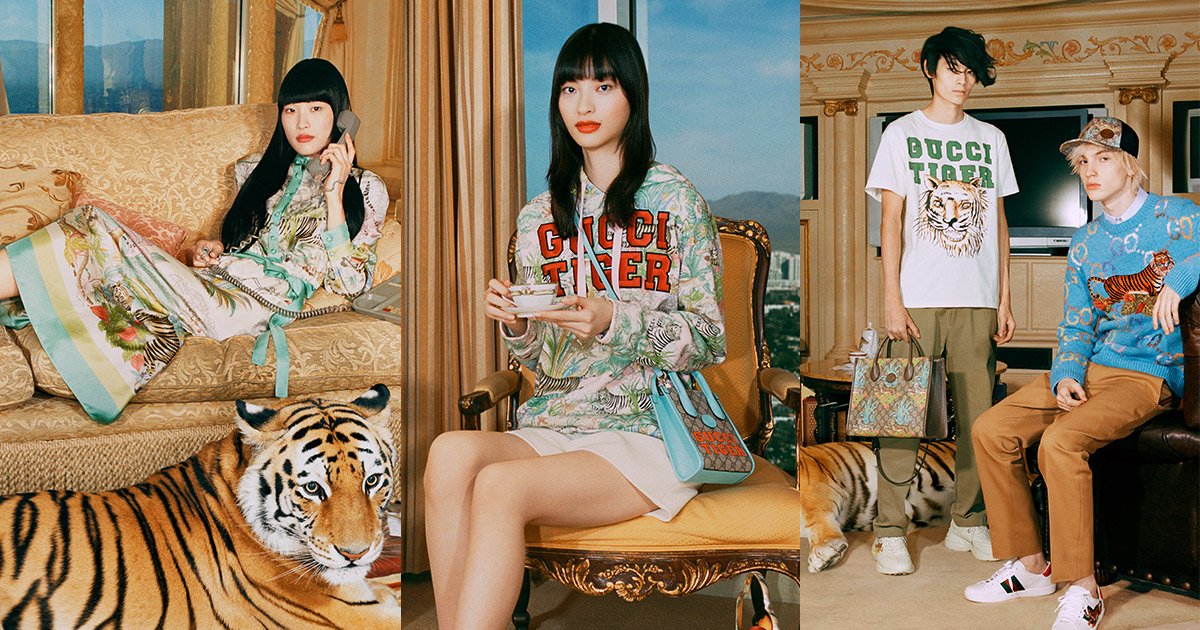
The fashion industry heavily relies on using animal skins for clothing. Some of the animals exploited for their skins include cows, foxes, minks, snakes, stingrays, sharks and lambs. The UK fashion industry alone is worth £21 billion (£33 billion USD) a year, according to the British Fashion Council. While many alternatives to animal skins like PVC, kydex, birkenstock and lorica do exist, the fashion industry continues to exploit animals because it is inexpensive to raise and kill them. Once the skin has been removed from the animal, the material is fashioned into clothing and will retail at high prices. For example, a raw fur pelt may be worth $30 but a fur coat may retail at $50,000.
Many animal skins are considered exotic including the skins of snakes, alligators, crocodiles, turtles, eels, ostriches and kangaroos. Millions of reptiles are bred or taken from their jungle homes every year to provide for the growing exotic skins industry. Snakes are nailed to trees and skinned alive, bludgeoned, decapitated and their live bodies are filled with water to stretch out their skin. Lizards are captured in the wild using snares before being cut open with knives and decapitated. Alligators and crocodiles sometimes have a chisel and hammer smashed into the back of their head to paralyse them. All reptiles have slow metabolisms which means they experience pain even if they have been decapitated. Their skins are then tanned and used to make fashion accessories.
Fur
Fifty million animals are cruelly killed every year for their fur pelts. The majority of animals are kept on fur farms where they are kept in tiny cages either isolated or with other animals. These cages are extremely small and animals are unable to fulfil their social, physical and natural living requirements. Therefore, many animals suffer from psychological problems, repetitive habits, self inflicted injuries and limb pain. No anaesthetic or veterinary care is provided to the animals so they are forced to endure ailments their entire lives. Foxes, mink, rabbits, sable, dogs, cats and chinchilla are just some of the animals exploited for their furs.
When the animals coat is ready to be removed, fur farm employees pull the animal from it’s cage and begin the slow and agonising slaughter process. Animals may be hung upside down and strangled or may have a blunt knife inserted inside their body to cut off the skin. The live animal is then dumped in a pile to die in pain. Foxes are often anally electrocuted whilst mink are gassed, poisoned and have their bones broken. Dogs and cats may be hung upside down and drowned, skinned or bludgeoned to death.
Galuchat
Galuchat is a leather, considered exotic, made from the skins of stingrays and sharks. Both sharks and rays, cannot be bred for leather production so they are captured in the wild. While rays are killed for food in Southeast Asian countries, rays are also killed for their skins. The use of ray leather is a major driving force in the depletion of ray numbers. Shark numbers have also been severely depleted due to shark finning and the growing shark leather industry. Over 100 million sharks have their fins cut off every year before being thrown back into the water to die. Their fins are either used for food or for the creation of fashion accessories. The nursehound shark, tiger shark and hammerhead shark are the most commonly used sharks for leather production. Galuchat leather is used for watch straps, handbags and footwear.
Karakul
Karakul lamb fur is the fur of a lamb killed either as a newborn, whilst inside the mothers womb or after being purposely aborted. The lamb fur is highly prized and considered at it’s best when the lamb is just a few days old. A mother gives birth to around three lambs in total before being slaughtered along with a fourth lamb still in the womb. In order to remove a karakul lamb from the live mother, the mother’s throat is slit whilst her abdomen is cut open to gain access to the developing lamb. Lambs that were able to be born naturally are killed during the first few days of their life. Karakul lamb fur is sometimes referred to as Astrakhan, Persian wool and broadtail.
Leather
Over one billion animals are killed a year for their skins which are tanned and made into leather products. The leather trade makes around half of all profits generated by slaughterhouses and many animals are bred specifically for their skins. Cattle, sheep, goats and pigs are among some of the animals kept in extreme confinement for leather production. In India, cattle are forced to march hundreds of miles without any food or water. Those that tire have tobacco and chilli power rubbed into their eyes or their tail bones broken. Once they reach their destination they are slaughtered, often being hacked to death or skinned alive. During the slaughter process of most leather bearing animals, they receive no anaesthetic whilst they are being scalded alive, electrocuted, skinned, cut open or bleed to death.
Suede
Suede is made using the underside of an animals skin. The most commonly used animals are lamb, cattle, goat, pig and deer. Calfskin suede is usually made from the skin of male dairy cows. While many male calves are slaughtered for their skins at birth, many are also raised for veal. Veal calves are usually kept in solitary confinement for their short lives. They have chains placed around their necks to restrict them from sitting down or moving. After a short life, they are slaughtered without being administered any pain relief.
(CC) Image by Charles Cantin
Image by U.S. Fish & Wildlife Service
(CC) Image by Pterantula
(CC) Image by Kuerschner
Image by Farm Sanctuary
Steps to take action against the raising and killing of animals for their skins includes informing designers how animals are killed, campaigning outside fashion stores and letting designers know the alternatives to animal skins. Make sure when purchasing a product, it is made of non-animal materials. Items can sometimes have confusing labels such as 'embossed leather' which is typically the skin of a snake, alligator or crocodile. Similarly, real fur items may be labelled as faux fur. While people may be aware of the cruelty of fur, less people may know the cruelty of karakul lamb fur and galuchat. Educate others and raise awareness of all animals exploited for their skins.
Image by N174
PETA exposes the cruel leather industry:
www.peta.org/issues/animals-used-for-clothing/leather-industry.aspx
Joaquin Phoneix exposes the exotic skins industry:
https://secure.peta.org/site/Advocacy?cmd=display&page=UserAction&id=3003
Help put an end to the fur trade:
Choose Cruelty Free- fur and Karakul lamb fur:
www.choosecrueltyfree.org.au/fur.html
The Horror that is the Karakul sheep industry:
http://socyberty.com/activism/the-horror-that-is-the-karakul-sheep-industry/
You are viewing the text version of this site.
To view the full version please install the Adobe Flash Player and ensure your web browser has JavaScript enabled.
Need help? check the requirements page.